
Village Lane Garden Routes
Discover seasonal plantings, heritage vegetable gardens, and flowering areas. Perfect for those interested in traditional agricultural practices and garden design.
Rumšiškės Routes Editorial Team
Editorial Team
Written by the Rumšiškės Routes editorial team, focused on honest, practical guidance for senior visitors exploring the open air museum.
Walking the Village Lane Gardens
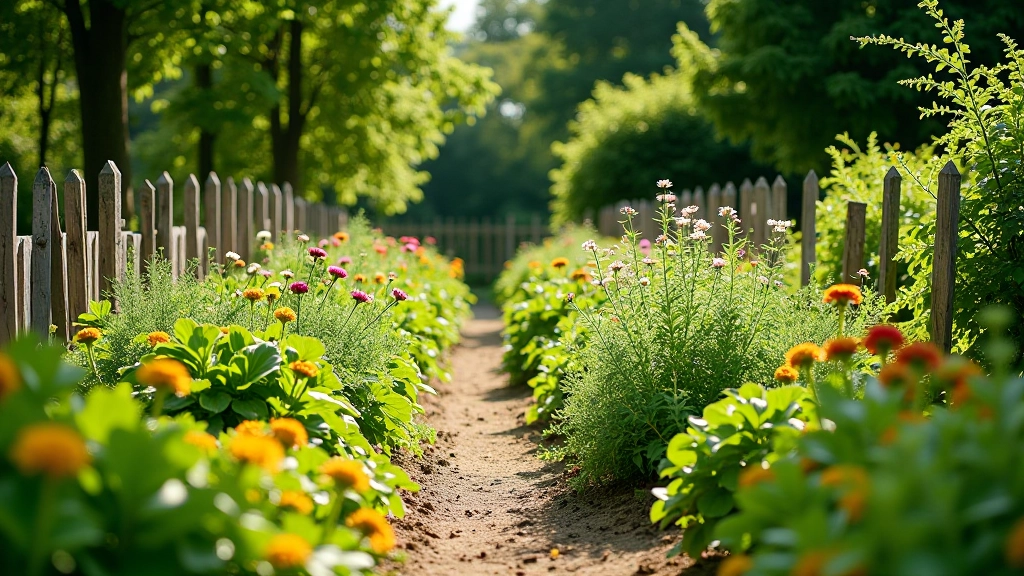
The village lane garden routes at Rumšiškės offer something special. You're not just seeing plants — you're walking through centuries of agricultural tradition. These aren't manicured modern gardens. They're the real deal: heritage vegetable plots, flowering areas that attract bees, and seasonal plantings that change throughout the year.
What makes these routes different is how practical they are. Seniors find them manageable because the paths are well-maintained, the pace is entirely yours, and there's plenty to see without exhausting yourself. Most people spend 45 minutes to an hour walking the main route, though you can easily take longer if you want to linger and observe the garden details.
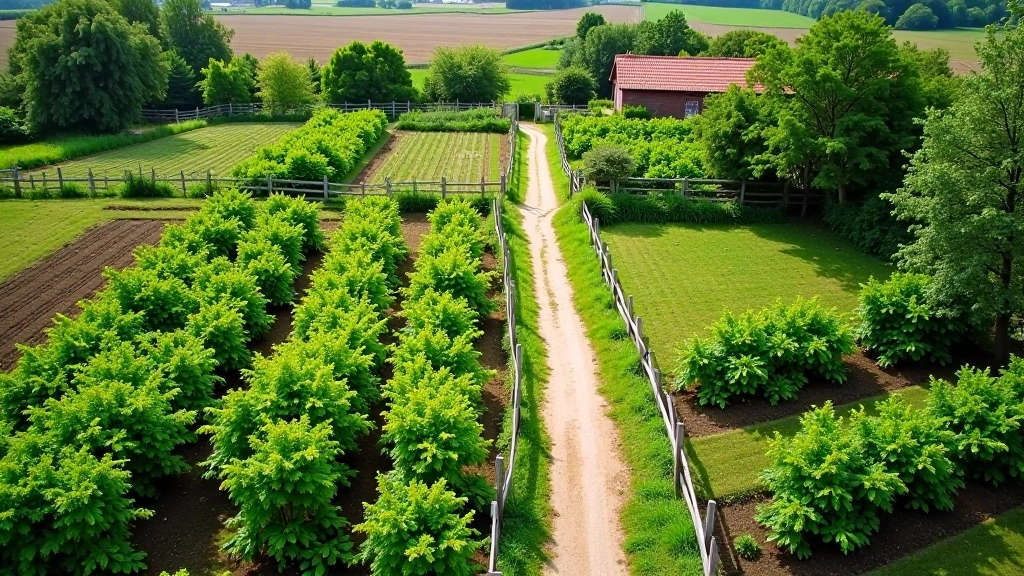
The gardens reveal how people actually lived. You'll see crop rotation areas, storage sheds, and planting patterns designed for food security. It's fascinating stuff if you're interested in how traditional communities managed their land.

Seasonal Changes and What to Expect
Each season brings different displays. Spring shows the awakening — seedlings being planted, fruit trees in blossom, and the whole area buzzing with activity. If you visit in May or early June, you'll see things being planted. The energy is different.
Summer's peak means everything is growing. Vegetables are thriving, flowers are in full bloom, and there's color everywhere. July and August are actually the busiest times here because the gardens look their absolute best. But honestly? It gets crowded. If you prefer a quieter experience, June or September work better.
Autumn brings harvest displays. You'll see people working with crops, and some areas transition to showing preservation techniques. It's educational without feeling like a classroom. Fall light is also gorgeous for photos if that matters to you.
Winter is sparse but peaceful. The gardens are dormant, but you can see the structure more clearly — fencing, raised beds, planning. Some find this time most interesting because you're seeing the bones of how everything is organized.
What You'll Find on the Routes
Key features and areas worth knowing about before you visit
Heritage Vegetable Gardens
Traditional crops grown using period-appropriate methods. You'll recognize most of them — potatoes, beans, beets, cabbage — but see how they're cultivated in the old way. The scale is impressive, showing how families fed themselves year-round.
Flowering Areas
Flower sections weren't just pretty — they served purposes. Some attracted pollinators, others had medicinal uses. Walking through them in summer is genuinely beautiful, and you'll learn why each type was grown.
Water Management Systems
You'll see wells, drainage systems, and water channels. These aren't just relics — they show genuine problem-solving about water access. It's fascinating how much thought went into something we take for granted today.
Fruit Trees and Berry Bushes
Apple, pear, and plum trees mixed with berry bushes. These provided essential nutrition and could be preserved for winter. The arrangement shows how families maximized their limited space.
Storage Structures
Sheds and root cellars show how produce was preserved. You'll understand the connection between what was grown and how it was stored to survive winter. It's practical history you can actually visualize.
Interpretive Signage
Clear markers explain what you're looking at and why it matters. The information isn't overwhelming — just enough context to make what you're seeing meaningful without feeling like a lecture.
Practical Information for Your Visit
The garden routes are accessible and senior-friendly. That said, here's what you actually need to know before you go.
Path Conditions
The main routes are well-maintained. You won't be hiking. Paths are mostly level with gravel or stone surfaces — not asphalt, but not rough either. Wear comfortable walking shoes with decent grip. The paths can be muddy after rain, so plan accordingly. Total walking distance for the main route is about 2 kilometers, which takes most people 45 minutes to an hour at a leisurely pace.
Rest Areas
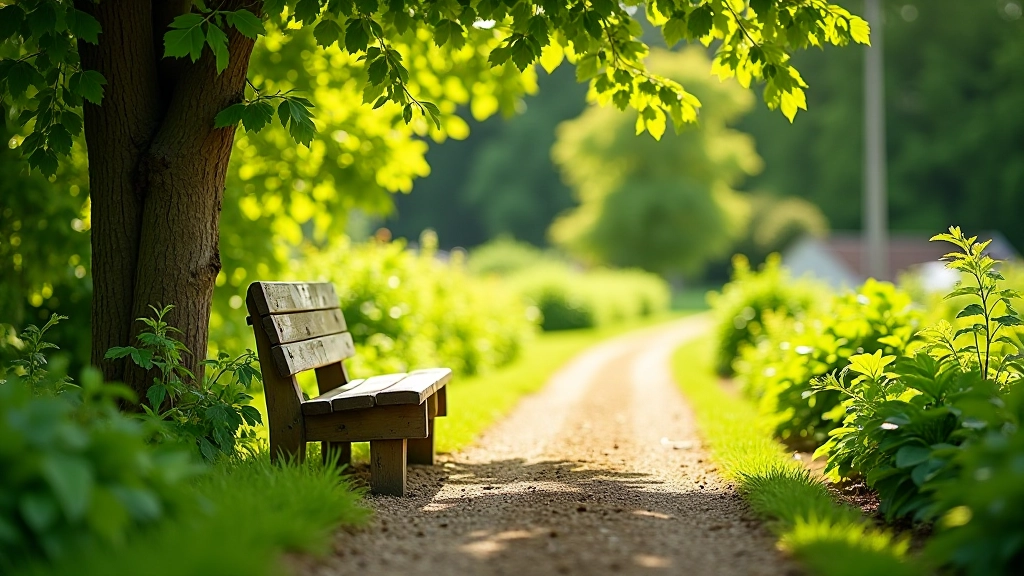
There are benches positioned throughout. They're genuinely useful — placed where you get good views while resting. You won't feel rushed. Take breaks whenever you want. The pace here is entirely yours, which is why it works so well for seniors.
Weather Considerations
Summer sun can be strong, so bring a hat and sunscreen. There's some shade from trees, but not complete coverage. Spring and fall are genuinely pleasant — mild temperatures and interesting light. Winter visits are possible but colder obviously. The routes don't close seasonally, so you're never completely shut out.
Making the Most of Your Visit
Practical tips from people who visit regularly
Visit mid-morning or early afternoon
You'll avoid the early rush and the afternoon heat. Light is also better for photos around 10 AM to 2 PM.
Bring water, even if you don't think you'll need it
Walking in gardens, you're in the sun longer than you expect. Staying hydrated makes everything more enjoyable.
Don't rush the interpretive signs
They're brief and genuinely interesting. They explain why things matter, not just what you're looking at. You'll appreciate the gardens more when you understand the story.
Come back in different seasons
What you see in June is completely different from August or October. Each season tells a different part of the story. Regular visitors see the full picture.
Talk to the guides if you see them
Museum staff sometimes work in the gardens. They love answering questions and sharing details about specific plants or techniques. You'll learn way more than reading signs alone.
A Quiet Kind of Learning
The village lane gardens aren't dramatic. They're not going to blow your mind or exhaust you. What they do is show you something real about how people actually lived. You walk through the same spaces where families grew food, made decisions about what to plant, and planned for the seasons ahead.
For seniors, that's often exactly what's wanted. No rushing. No crowds (most of the time). Just good paths, interesting things to see, and plenty of places to sit. It's one of those experiences where you leave understanding something you didn't before. You don't have to be a gardener or a history buff to get something out of it. The routes work because they're practical, manageable, and genuinely interesting.
Plan a couple of hours, bring water, wear comfortable shoes, and don't rush. You'll have a better visit than if you try to see everything in 30 minutes. The gardens reward patience.
Important Notice
This guide provides information about the village lane garden routes at Rumšiškės Open Air Museum. Details about paths, conditions, and facilities may change seasonally or due to maintenance. Always check current museum hours and any access updates before planning your visit. Physical abilities vary — if you have specific mobility concerns, contact the museum in advance to confirm whether routes suit your needs. Weather and seasonal conditions affect path conditions, visibility, and comfort. Plan accordingly for the season of your visit.
More Museum Village Walks
Explore other routes and experiences at Rumšiškės
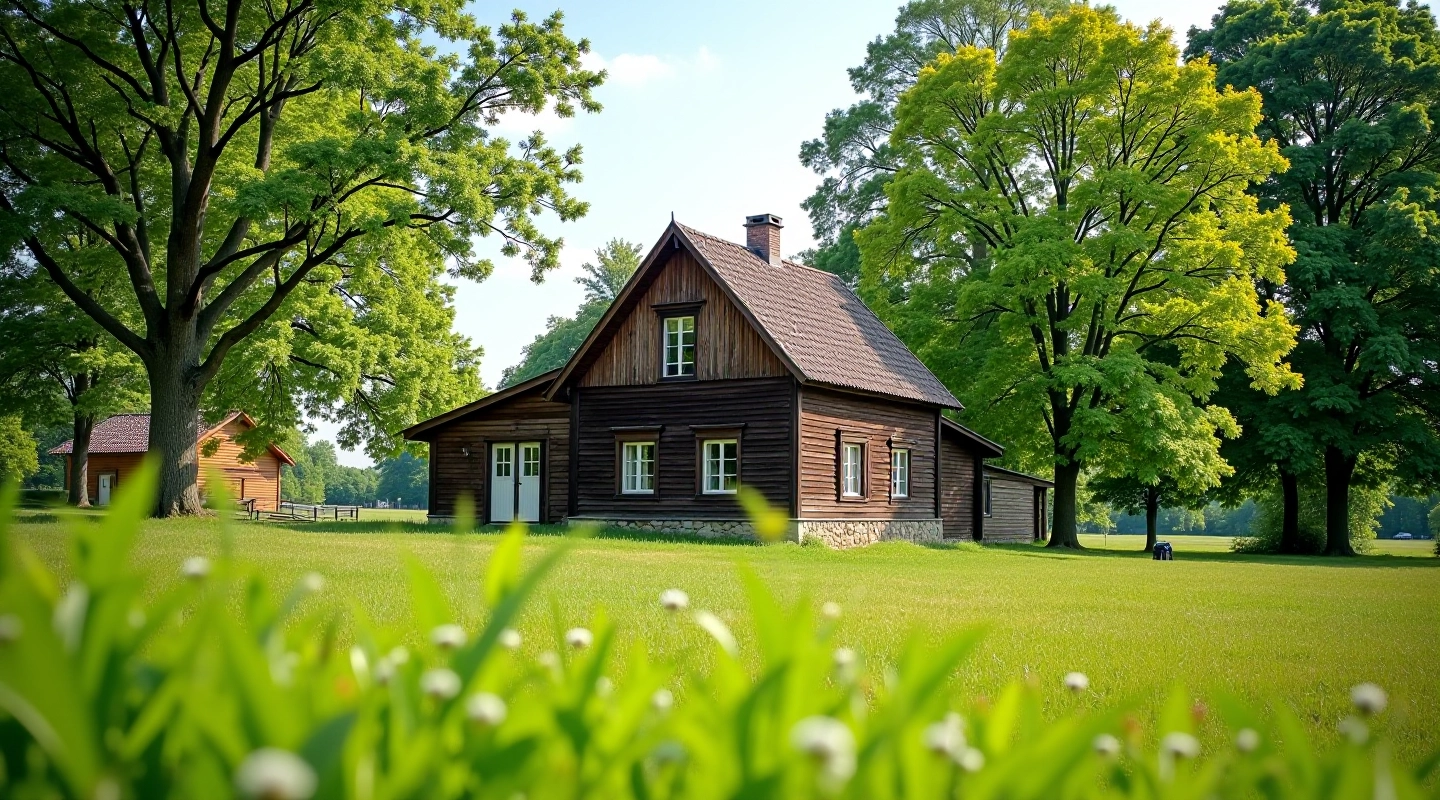
Exploring the Historic Farmstead Quarter
Walk through restored farmhouses and outbuildings, learning how rural families lived in traditional Lithuanian homes.
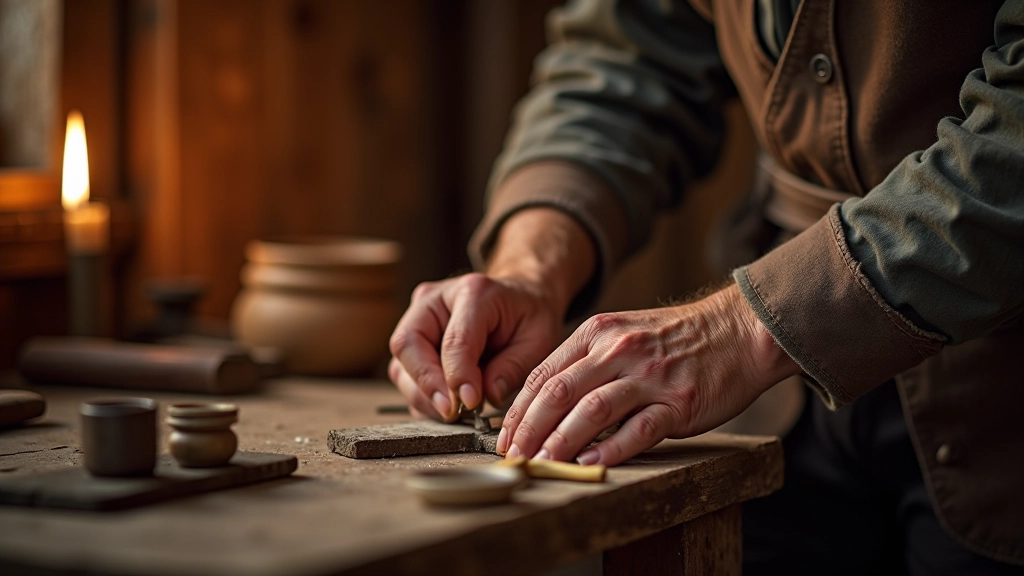
Crafts and Trade Routes Through the Museum
Visit working craft demonstrations including pottery, woodworking, and textile production in authentic settings.
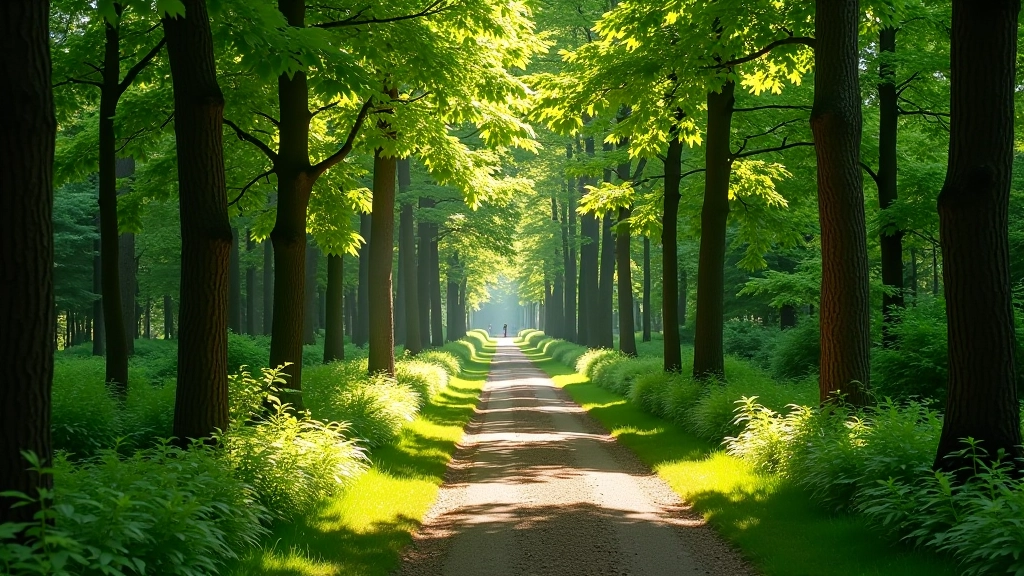
Easy Woodland and Meadow Walks for Seniors
Gentle paths through natural areas with minimal elevation change. Includes rest stops and peaceful woodland settings.