
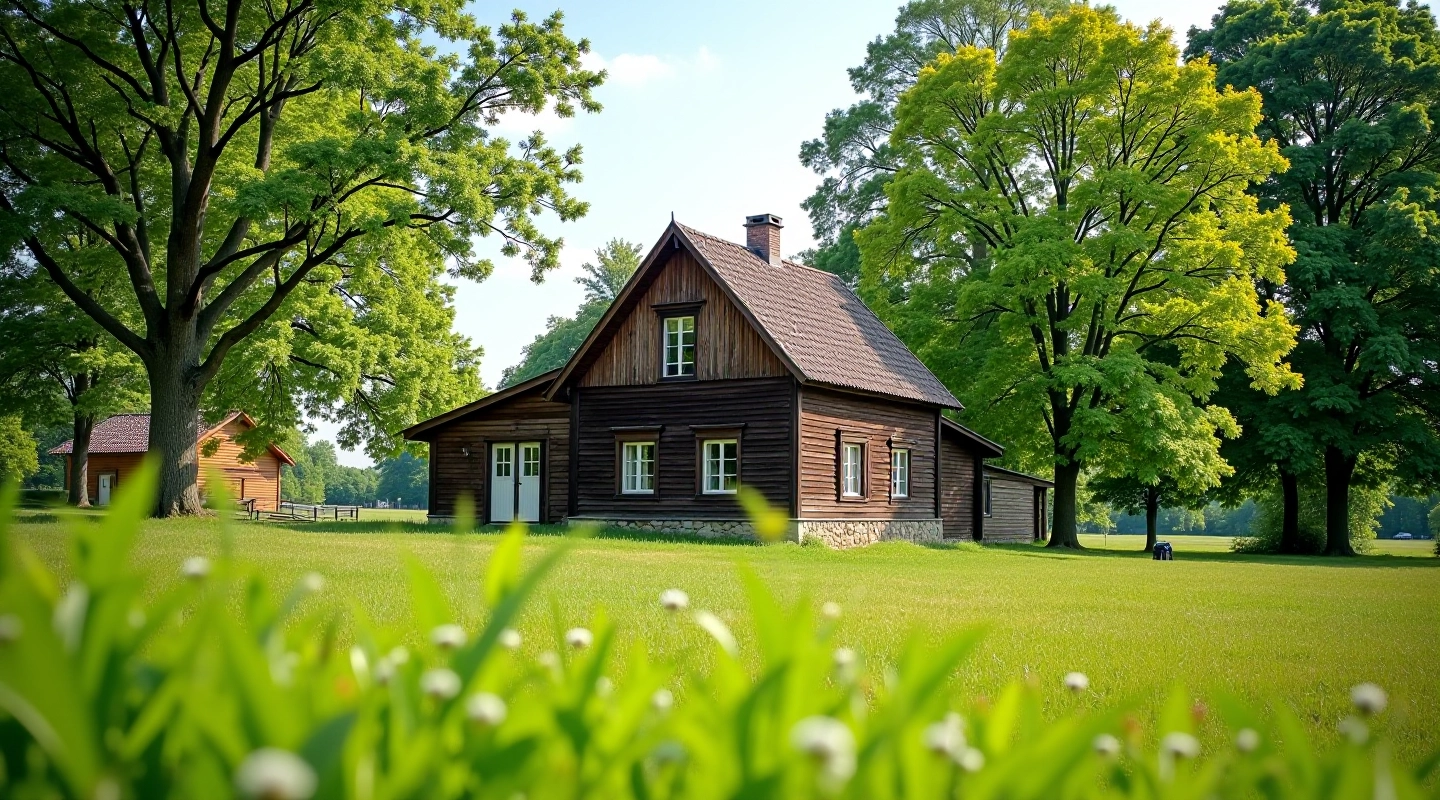
Exploring the Historic Farmstead Quarter
Walk through restored farmhouses and outbuildings, learning how rural families lived and worked across different centuries.
Gentle paths through natural areas with minimal elevation change. Includes rest areas, shade, and opportunities to observe traditional land management practices.

Author
Editorial Team
Written by the Rumšiškės Routes editorial team, focused on honest, practical guidance for senior visitors exploring the open air museum.
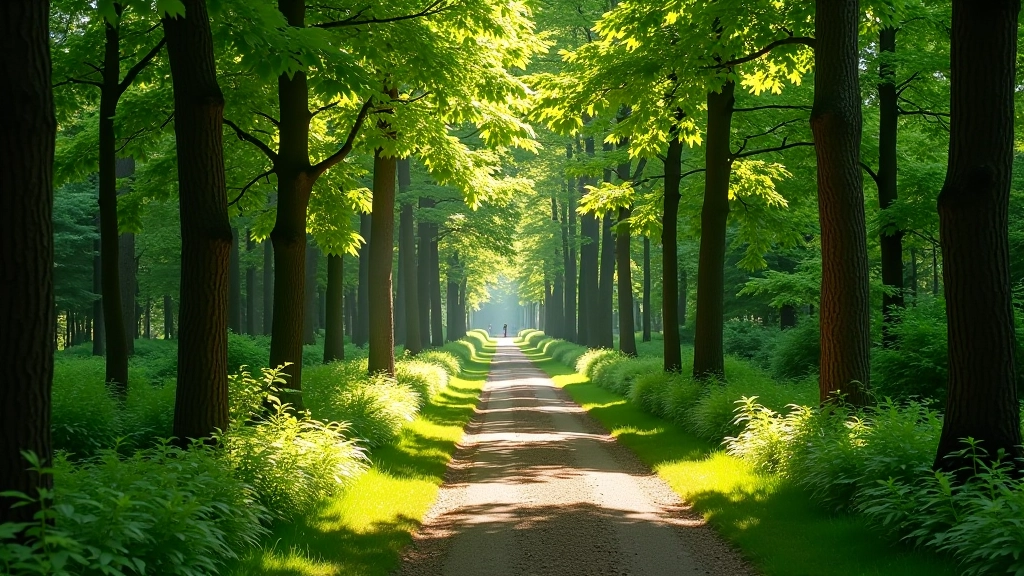
These woodland and meadow routes aren't challenging hikes. They're designed for people who want to move at a comfortable pace, enjoy nature without strain, and have plenty of spots to rest when you need them. The paths wind through some of the museum's most beautiful natural areas—places where you'll actually see how people managed the land traditionally.
Most seniors find these walks really approachable. There's no scrambling over rocks, no steep climbs that leave you breathless. Instead, you'll get gentle walking on well-maintained paths, shade from mature trees, and the kind of quiet that lets you actually hear the birds and rustling leaves.
Minimal elevation change across all routes. Walk at your own pace without strain.
Benches positioned throughout. Stop whenever you need, as long as you need.
Tree canopy covers most routes. Small shelters available at key points.
Well-marked routes with no confusing junctions. Easy to follow, hard to get lost.
Start with the Meadow Loop if it's your first time. It's the shortest route at around 2 kilometers, takes about 45 minutes at a comfortable pace, and gives you a real sense of how these natural areas were managed historically. You'll see old stone boundaries, understand why certain trees were left standing, and notice how the meadow's seasonal flowers attract specific birds.
The best time to visit depends on what you want to see. Spring brings wildflowers and nesting birds. Summer's full green canopy provides excellent shade. Autumn shows you why traditional land management mattered—the cleared areas display colors differently than the thick forest. Winter's quieter, with fewer visitors and clear sightlines through bare trees.

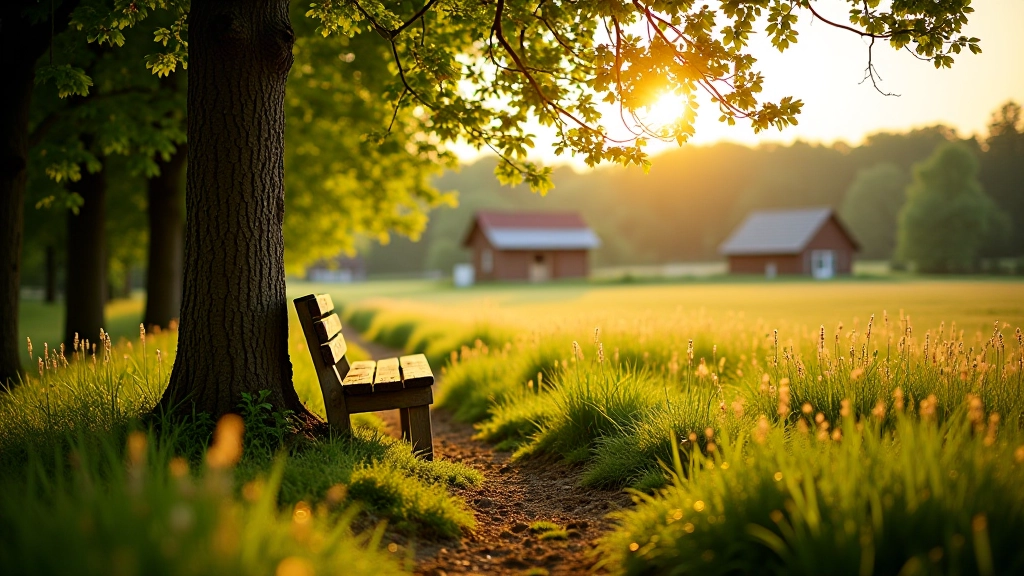
You've got options depending on how much time you have and what interests you. The Meadow Loop stays mostly open—good if you prefer sunlight and want to see wildflower plantings from different seasons. The Forest Trail takes you deeper into woodland, cooler even on hot days, where you'll notice how the museum preserves different tree ages. The Wetland Path follows water features and gives you a completely different ecosystem to explore—don't worry, it's elevated, not marshy.
Most seniors combine two routes in a single visit. You could do the Meadow Loop, rest for 20 minutes at the shelter, then walk part of the Forest Trail. That gives you variety without overdoing it. The paths connect at several points, so you're not locked into one route—you can adjust as you go.
2 km
Meadow Loop
3.2 km
Forest Trail
1.8 km
Wetland Path
Weather matters more on woodland paths than you'd think. Rain makes surfaces slippery even on gentle slopes, so check the forecast and maybe skip walking right after heavy rain. Early morning walks mean fewer crowds and cooler temperatures—you'll often have the paths mostly to yourself, which is lovely if that appeals to you.
Tell someone where you're going and roughly when you'll be back. It's probably unnecessary, but it's sensible. The museum's open from 10 a.m. to 6 p.m. in summer, shorter hours in winter. Walking takes about 45 minutes to 90 minutes depending on pace and rest stops. If you're coming by car, there's parking at the main entrance. Public transport options exist if you're coming from town—ask at the visitor center for current schedules.
These paths are genuinely safe, but like any outdoor activity, there's common sense involved. Stay on marked paths. Watch your footing on shaded areas where tree roots cross the path. Bring a phone if you have one. Don't walk alone if you're not comfortable doing so—the museum often has group walks, and you're welcome to join. Tell staff at the entrance if you're heading out; they know these paths well and can suggest timing or adjustments based on conditions that day.
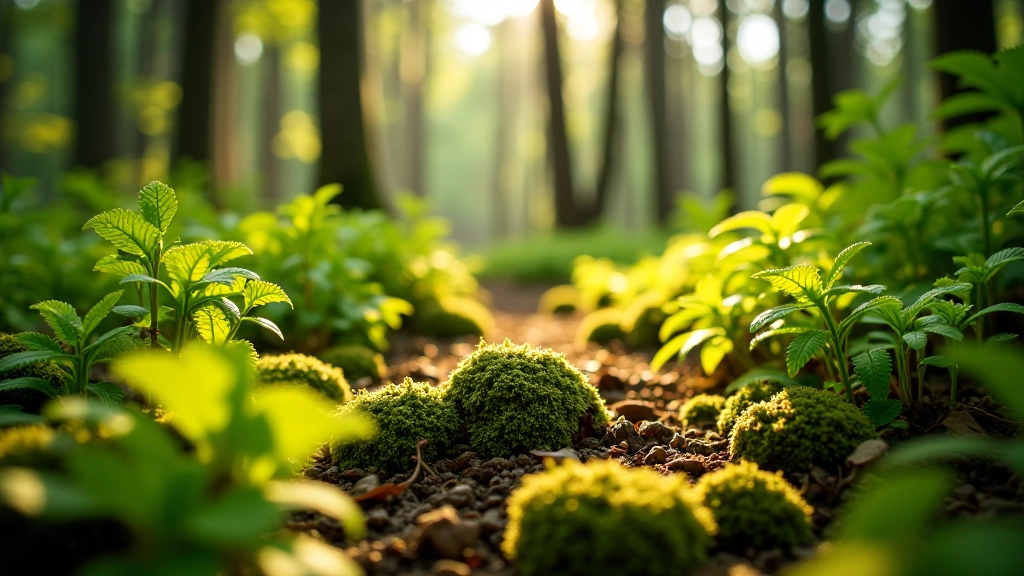
These aren't museum displays you walk past. They're living landscapes. On the Meadow Loop, you'll notice the meadow's divided into sections with different flower plantings. That's not decoration—it's how farmers actually managed meadows centuries ago, letting different areas rest and recover. The Forest Trail shows you old growth trees that were deliberately spared, alongside younger trees planted to show forest management over time.
You'll likely see birds—woodpeckers, jays, finches depending on season. Rabbits and deer appear at dawn and dusk. Insects are everywhere if you look. Bring binoculars if you're into bird watching.
Stone walls mark old boundaries. Cleared areas show where families kept meadows productive. Tree patterns reveal deliberate choices—this wasn't random forest, it was managed land.
Spring brings wildflowers and nesting birds. Summer offers dense green and maximum shade. Autumn displays colors based on tree type and age. Winter reveals the landscape structure.
Unlike busier parts of the museum, these paths are genuinely peaceful. You'll hear wind, birds, rustling leaves—the sounds that were actually there when people farmed this land.
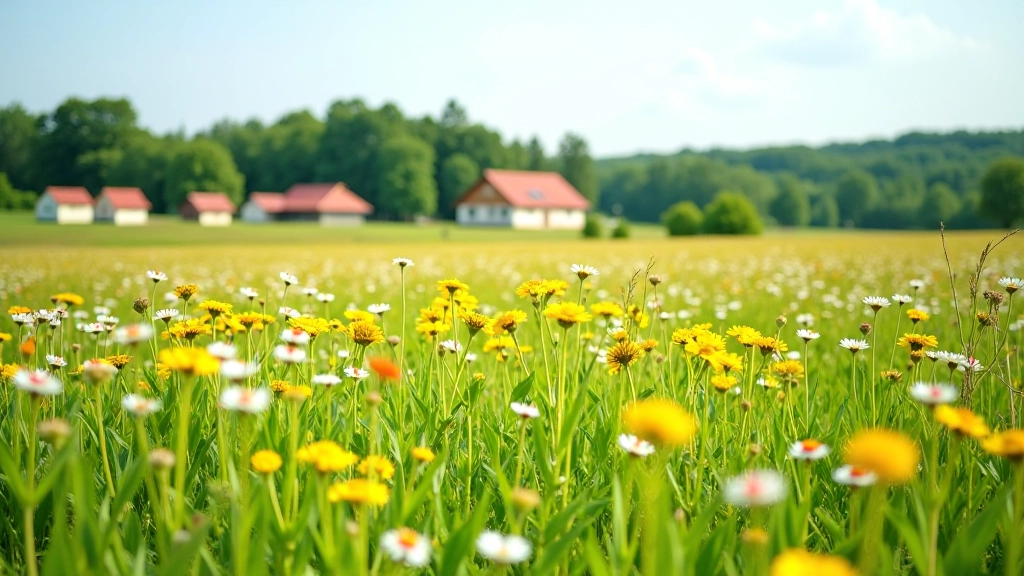
You don't need to be an experienced hiker to enjoy these paths. You don't need to move fast or push yourself. These routes are designed for people who want to move their bodies, breathe fresh air, and understand how the land worked—at whatever pace feels right for you. That's the whole point.
Come early in the day if crowds bother you. Bring water and wear comfortable shoes. Take breaks whenever you want. Talk to the museum staff—they know these paths inside out and can suggest timing based on how you're feeling. And don't overthink it. These walks work because they're straightforward, well-maintained, and genuinely pleasant. That simplicity is exactly why they're so good for seniors.
Explore More Walking RoutesThis guide is informational. While these walks are designed as gentle routes with minimal elevation change, individual fitness levels vary. We recommend consulting with a healthcare provider before starting any new physical activity, especially if you have existing health conditions or concerns. Conditions on these paths can change seasonally—rain, ice, or weather events may affect walkability. Always check current conditions with the museum before your visit. Walking outdoors involves inherent risks; take appropriate precautions, stay aware of your surroundings, and don't hesitate to turn back if you're uncomfortable at any point.
Discover more paths through the open air museum
Walk through restored farmhouses and outbuildings, learning how rural families lived and worked across different centuries.
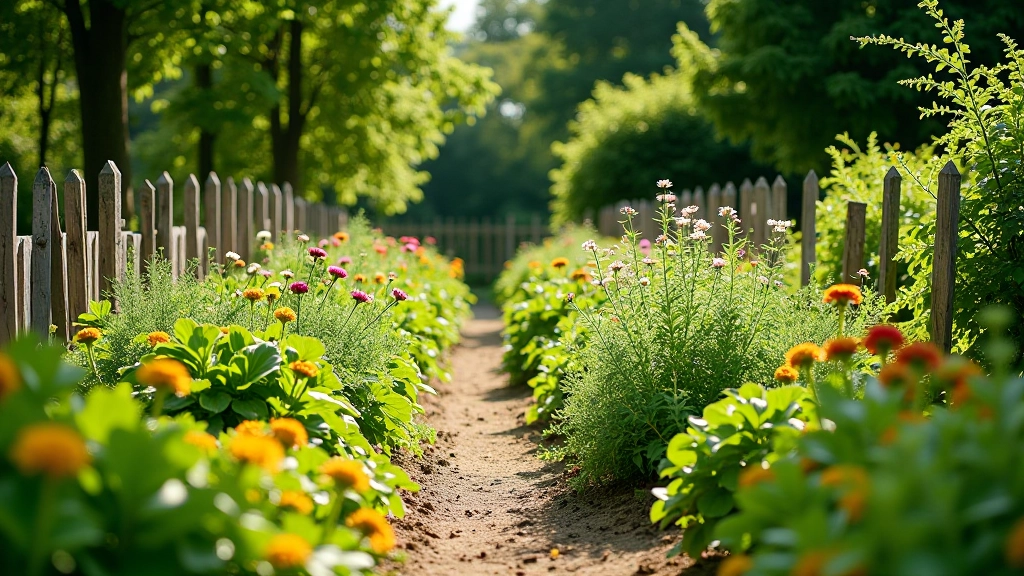
Discover seasonal plantings, heritage vegetable gardens, and flowering areas showing how traditional communities used plants for food and medicine.
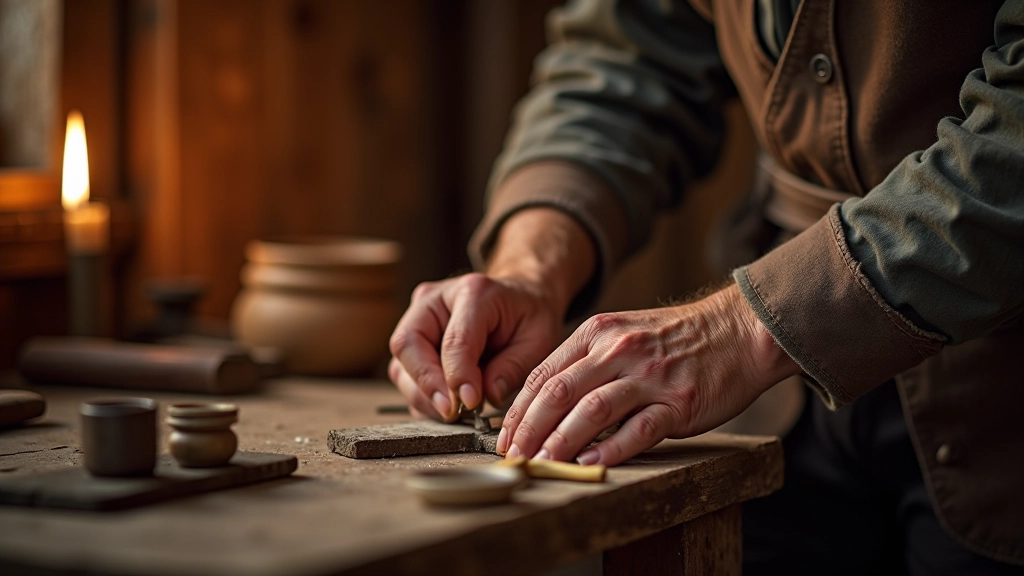
Visit working craft demonstrations including pottery, woodworking, and textile production showing skills that sustained rural communities.