
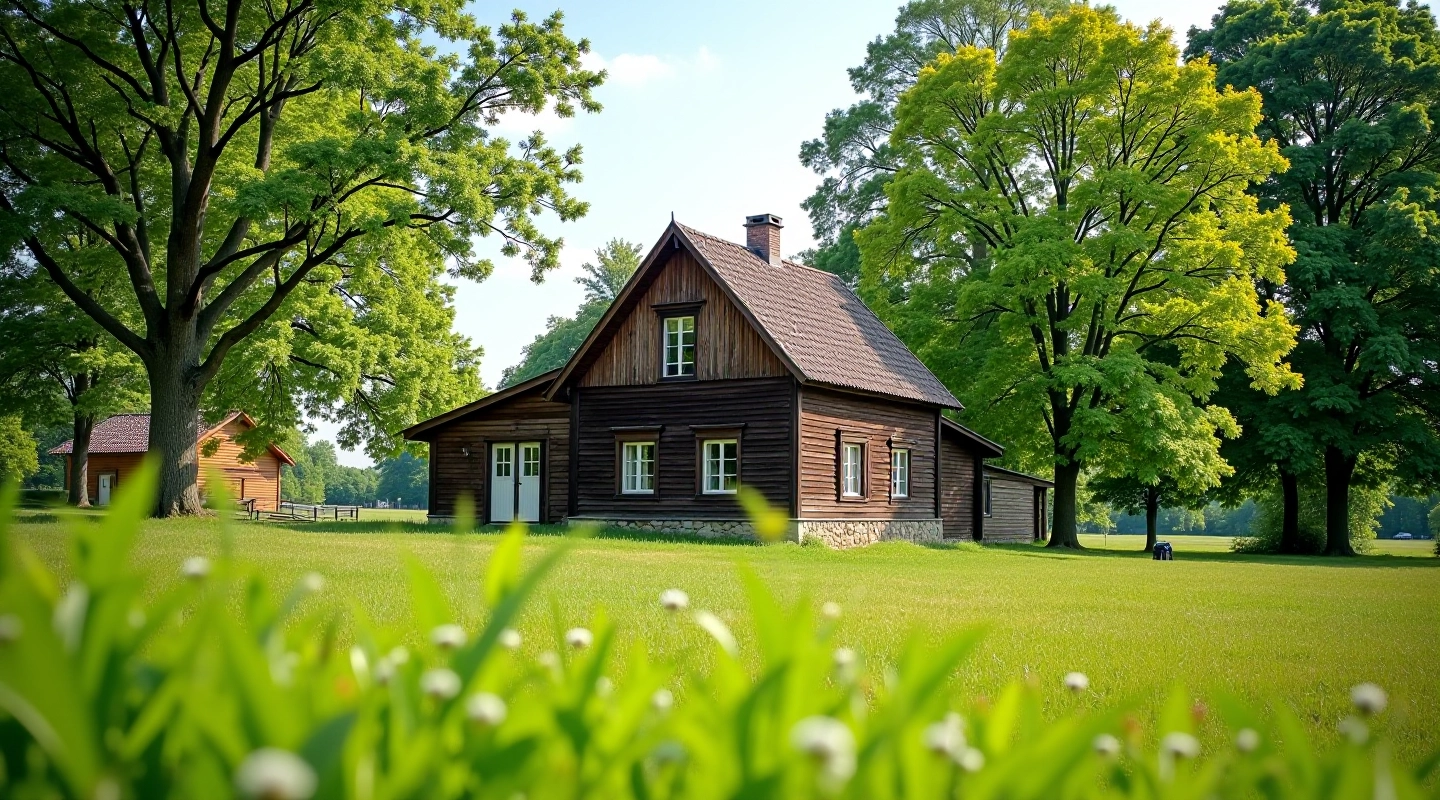
Exploring the Historic Farmstead Quarter
Walk through restored farmhouses and outbuildings, learning how rural families lived and worked in traditional communities.
Read Article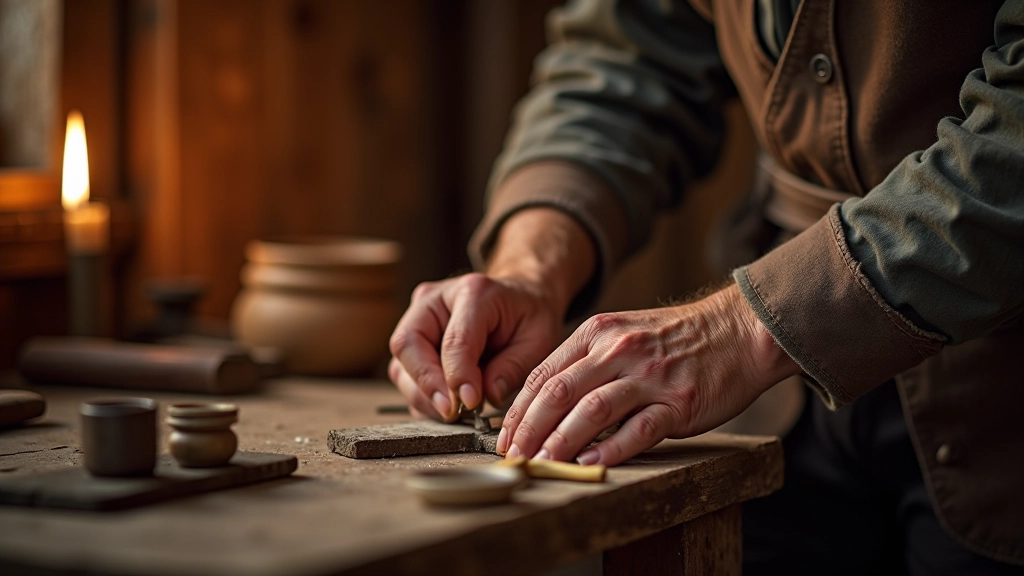
Discover working demonstrations of traditional pottery, woodworking, and textile crafts. Learn how rural artisans shaped communities through their trades.
Editorial Team
Written by the Rumšiškės Routes editorial team, focused on honest, practical guidance for senior visitors exploring the open air museum.
The museum's craft demonstrations reveal how traditional trades weren't just occupations — they were the economic backbone of rural communities. Walking through the designated routes, you'll encounter artisans actively working at their crafts, not behind glass cases or in static displays.
What makes these routes special is the hands-on nature. You're not watching a video about pottery; you're watching someone shape clay in real-time. The potter explains their techniques, shows you the wheel, and you can actually see how a lump of earth transforms into a functional vessel over the course of minutes.
Most visitors spend 2-3 hours exploring all the craft stations. It's a comfortable pace that doesn't rush you through each demonstration.
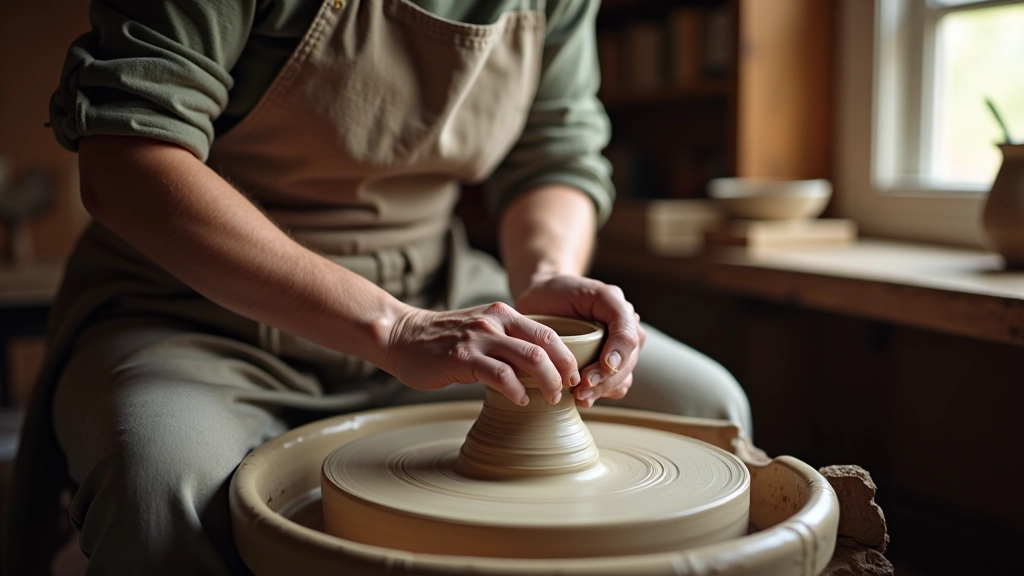
The pottery station is one of the most popular stops. You'll see traditional wheel-throwing techniques that haven't changed much in centuries. The potter typically demonstrates how to center clay, pull walls, and create the basic shapes used in everyday household items.
What's particularly interesting is understanding why certain shapes existed. The wide, flat bowls you see weren't arbitrary — they were designed for storing grains and liquids in homes without modern kitchens. The handles on jugs were sized for hands, not ergonomic theory.
You're welcome to touch finished pieces (with permission) and ask questions. The craftspeople aren't rushed, so you can get genuine answers about their process.
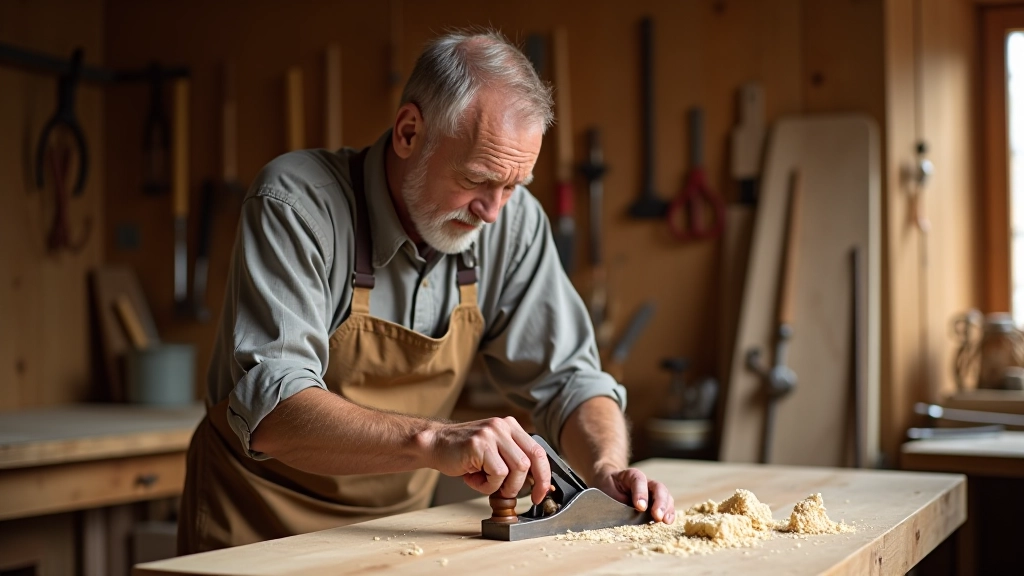
The woodworking route shows you how rural craftspeople created furniture and structural elements using hand tools only. No power tools, no modern machinery — just saws, planes, chisels, and an intimate knowledge of how wood behaves.
The carpenter demonstrates techniques like mortise-and-tenon joinery, which was the standard way to connect wood pieces before nails became affordable. These joints are so strong that 18th-century furniture still holds together today. It's a tangible reminder of why skilled craftsmanship mattered.
The workshop itself is authentic — you'll see the same types of benches, clamps, and tool racks that would've been there 200 years ago. The smell of fresh wood shavings and sawdust creates an immersive experience.
The textile route covers the entire process from raw fiber to finished cloth. You'll see spinning wheels, looms, and dyeing stations all in operation. It's genuinely eye-opening to watch someone card wool — that is, comb it into alignment — by hand before spinning it into thread.
The weaving demonstrations are particularly compelling because they're slow, deliberate, and meditative. The weaver sits at the loom and creates cloth one row at a time. Traditional patterns used specific color combinations and weaving techniques to identify where a piece came from — almost like a signature.
You can touch the finished textiles and examine the weave structure up close. The difference between machine-made and handwoven cloth becomes immediately obvious.
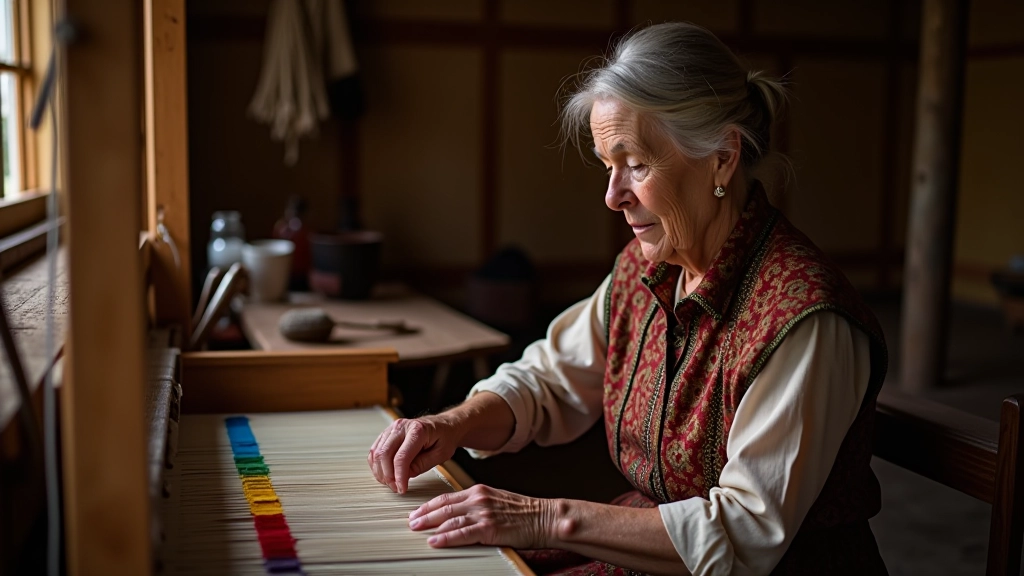
Beyond pottery, woodworking, and textiles, you'll encounter other essential trades. The blacksmith demonstrates metalworking — creating tools, hardware, and decorative pieces. It's genuinely hot work; the forge reaches temperatures that make the surrounding air shimmer.
Leather working stations show how hides were tanned and crafted into shoes, belts, and harnesses. The process involved plant materials and incredible patience. The finished pieces reveal the skill involved — even basic items like shoes required precise measurements and careful stitching.
There's also a beekeeper's section where you can learn about honey production and beekeeping practices that date back centuries. The equipment is primitive by modern standards but remarkably functional.
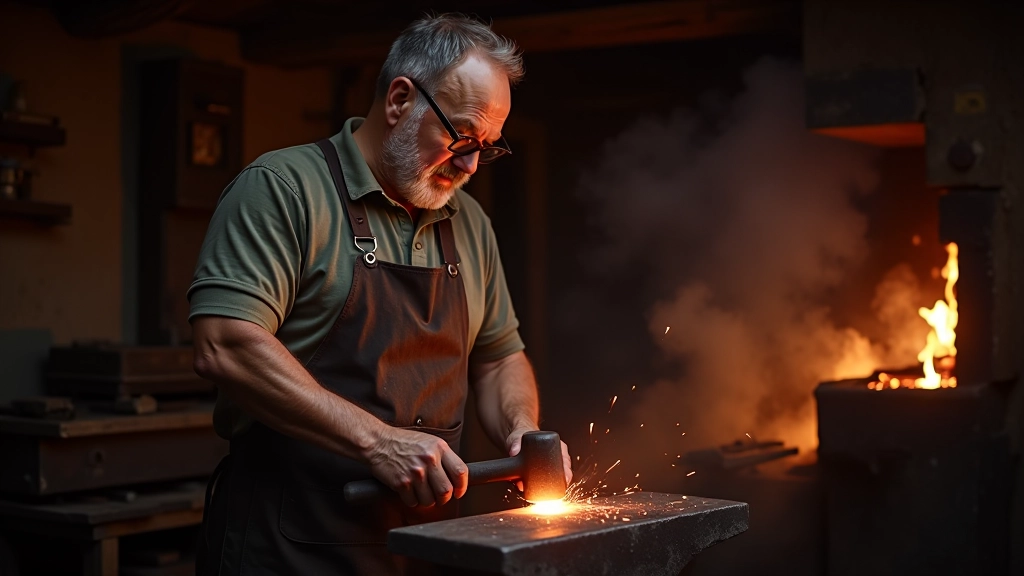
Why This Matters: These craft routes aren't historical recreation for entertainment. They document how communities actually functioned. Every craft existed because people needed the products. Understanding how a craftsperson created items by hand gives you profound respect for what modern factory production replaced.
Comfortable walking shoes are essential — you'll cover roughly 1.5 kilometers over the route, mostly on even paths. Bring water, especially on warm days. The demonstrations happen rain or shine, though outdoor sections may be adjusted during heavy weather.
It's worth visiting more than once. You might focus on pottery on one visit and textiles on another. The craftspeople appreciate returning visitors because they remember you and can dive deeper into the technical details on your second or third conversation.
If you're visiting with family, children are genuinely engaged by these demonstrations. Watching clay transform on a wheel or seeing the blacksmith work holds attention in a way static exhibits never do. It's education through observation and direct conversation.
Walking the craft routes through the museum changes how you think about handmade objects. You'll never look at a ceramic bowl or wooden chair the same way after watching someone create it from raw materials using only traditional tools.
These aren't performances designed to entertain. They're working demonstrations by people genuinely engaged in their craft. That authenticity — that sense of real skill and real knowledge — is what makes the experience memorable.
You're not just learning history; you're understanding why these trades mattered, why the people who practiced them were respected, and why the objects they created were treasured. It's educational, immersive, and genuinely enriching.
This guide provides educational information about the craft routes and demonstrations at Rumšiškės Open Air Museum. Operating hours, demonstration schedules, and accessibility features may vary seasonally. We recommend checking the museum's official website or contacting them directly before planning your visit to confirm current schedules and any specific accessibility requirements. Conditions on walking paths can change based on weather, so appropriate footwear is always recommended.
Walk through restored farmhouses and outbuildings, learning how rural families lived and worked in traditional communities.
Read Article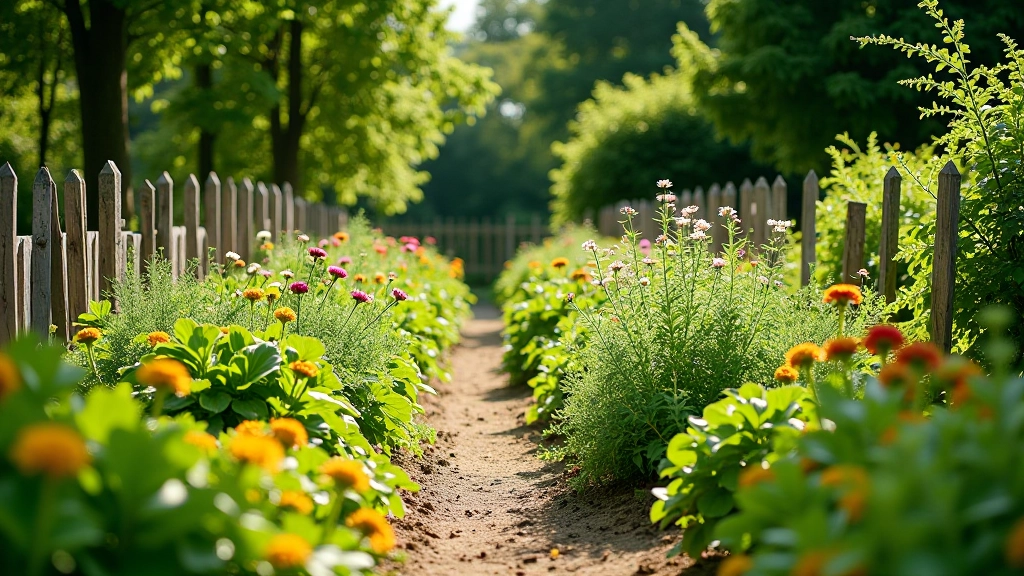
Discover seasonal plantings, heritage vegetable gardens, and flowering areas. Perfect for a peaceful stroll through cultivated beauty.
Read Article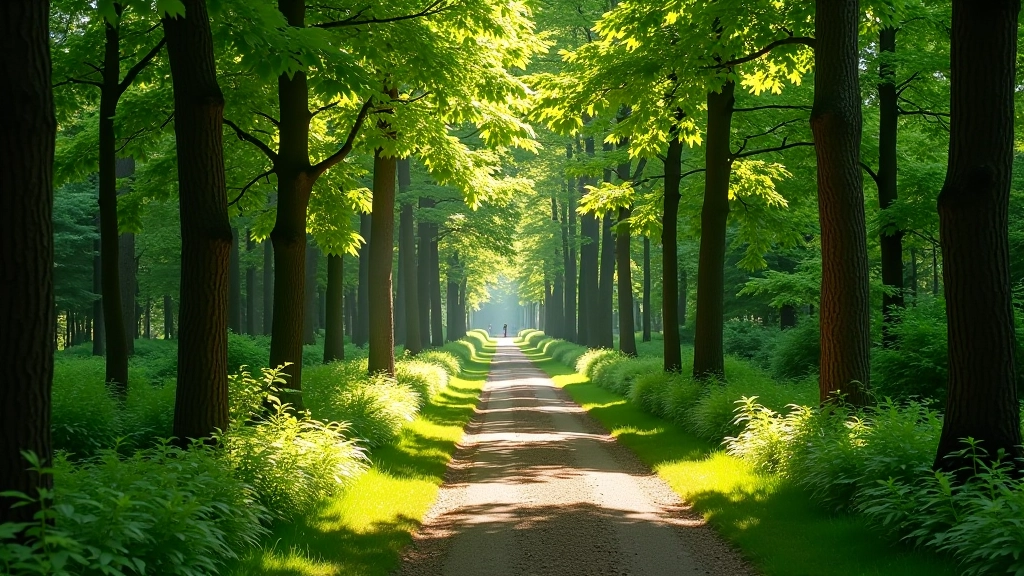
Gentle paths through natural areas with minimal elevation change. Includes rest points and accessible trail features.
Read Article