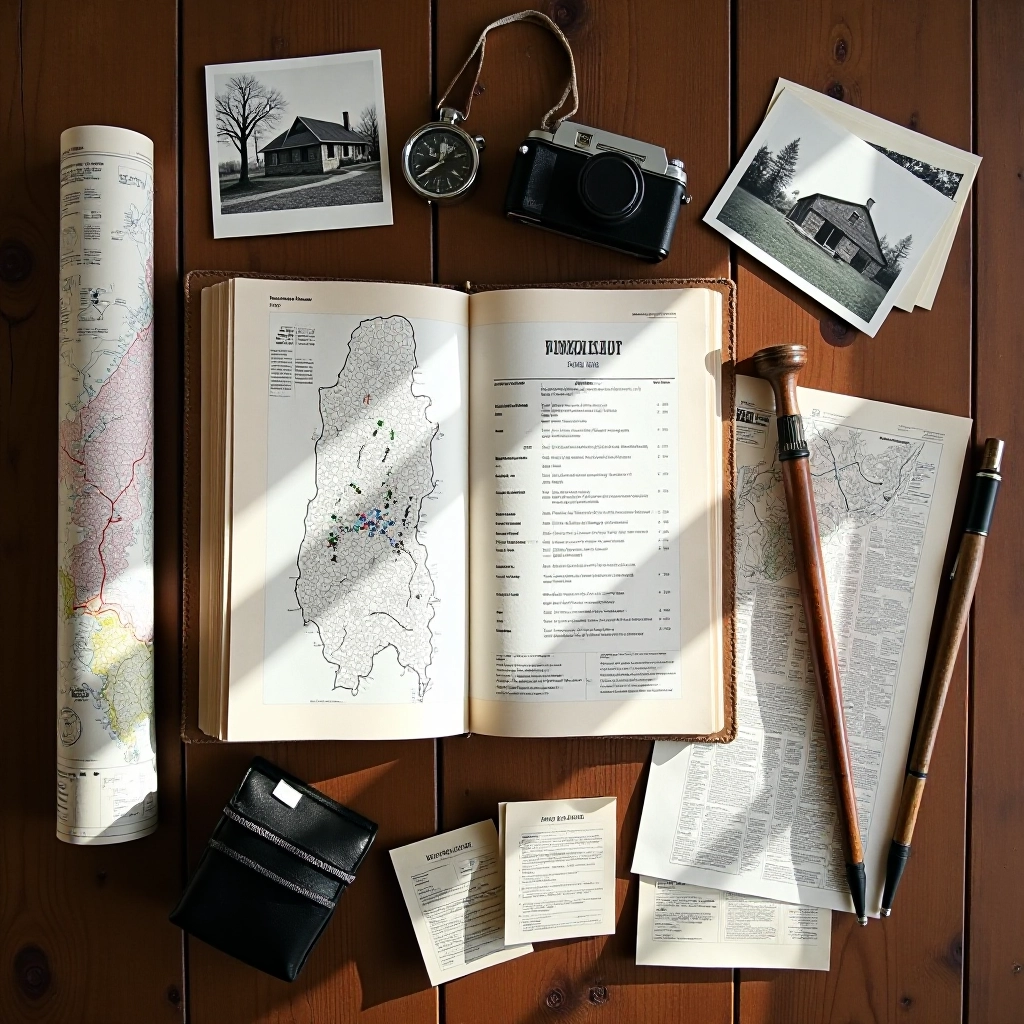
The Heart of Rural Heritage
The Historic Farmstead Quarter sits at the center of Rumšiškės Open Air Museum, preserving the essence of how families lived in rural Lithuania over the past 150 years. You'll walk through restored buildings that tell stories — not through labels on walls, but through the spaces themselves. The farmhouses stand exactly where they were built, with furniture, tools, and everyday objects arranged as they were used.
What's striking is how practical everything was. Families didn't have much, but they made every inch count. The kitchen served as the gathering place. The sleeping loft stayed warm in winter. The storage areas kept food through the cold months. Walking through these spaces, you'll understand why things were arranged the way they were — it wasn't decorative, it was survival and efficiency combined.
The Main Farmhouse
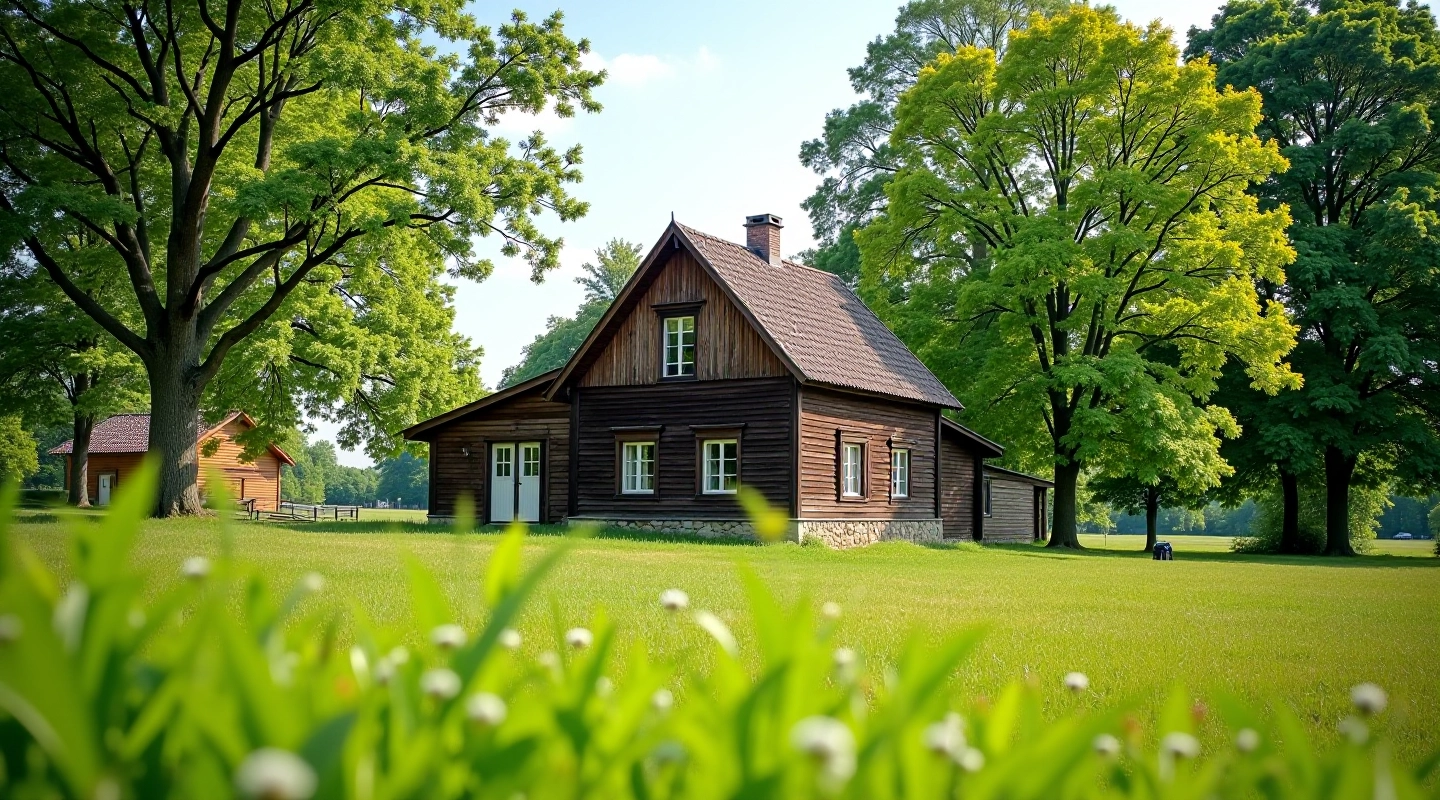
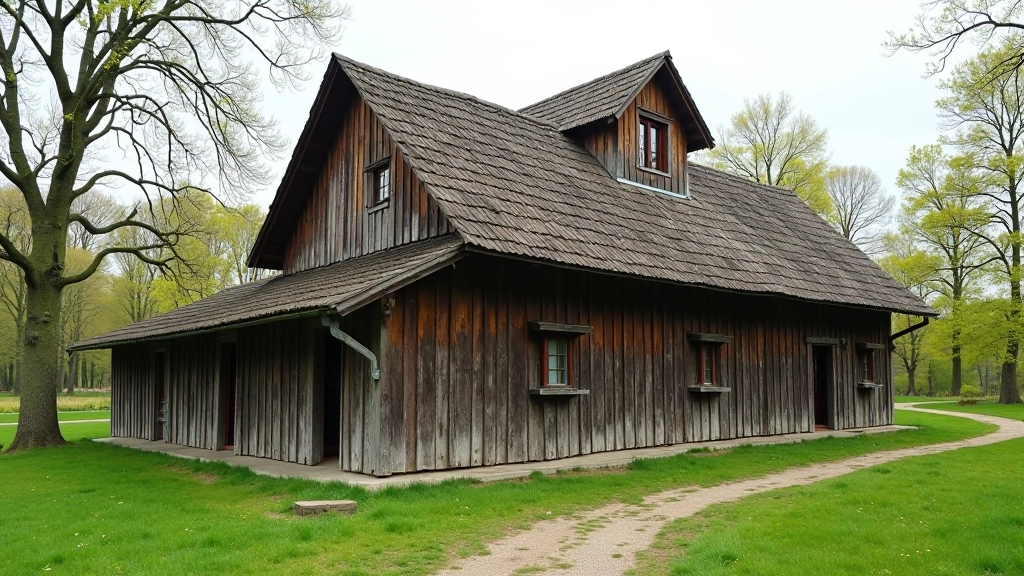
The centerpiece is a substantial wooden house, typically built between 1880-1920. You'll notice the thick timber walls — they're not decoration but essential insulation. Most farmhouses had two main rooms: the kitchen where the family spent most of their time, and the sleeping area. The hearth or stove wasn't just for cooking; it heated the entire building through winter.
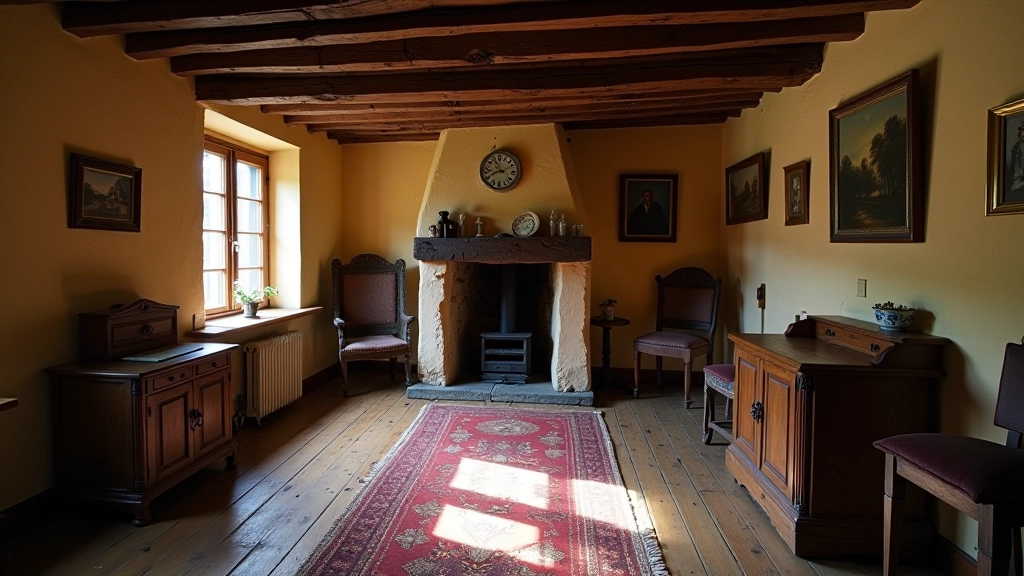
Windows are small by modern standards. Glass was expensive, so families kept openings modest to reduce heat loss. You'll see the original wooden shutters designed to seal out winter weather. If you visit in warmer months, it's worth stepping inside during afternoon hours when light streams through — it gives you a real sense of how these spaces felt to their inhabitants.
What You'll See Inside
- Hand-woven textiles on beds and chairs
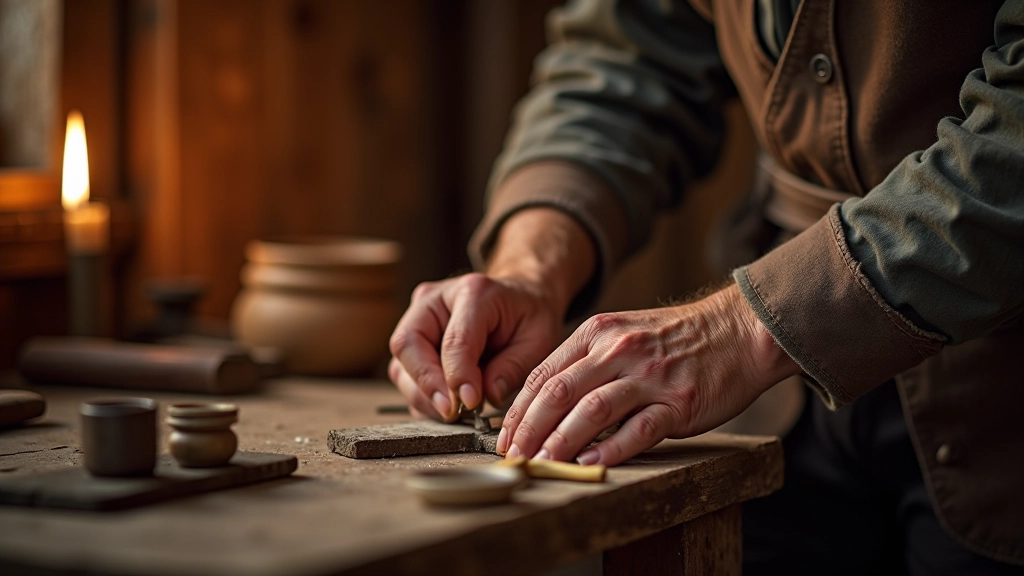
- Ceramic and wooden dishes used for daily meals
- Traditional cooking equipment and storage containers
- Period lighting — candles, oil lamps, early electric fixtures
- Personal items showing how families spent their time
The Outbuildings Tell the Story
Around the main house you'll find barns, storage buildings, and work sheds. These aren't afterthoughts — they're essential to understanding how the farm operated. The barn housed livestock through winter and stored grain and hay. The separate kitchen building (common in some areas) kept cooking heat away from living spaces during summer. Smaller sheds held tools, equipment, and supplies for specific tasks.
The arrangement of buildings wasn't random. Farmers positioned structures to block wind, create sheltered work areas, and organize daily routines efficiently. Walking the path from house to barn to storage area, you're essentially walking through someone's workday from 100 years ago. It's a physical layout that made sense then and still makes sense when you experience it.
Walking the Quarter: What to Expect
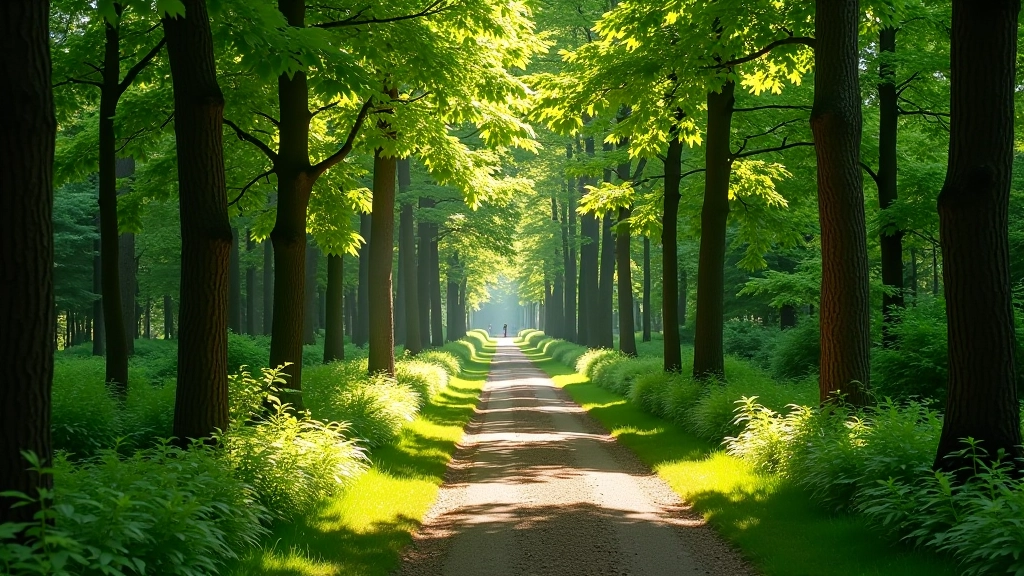
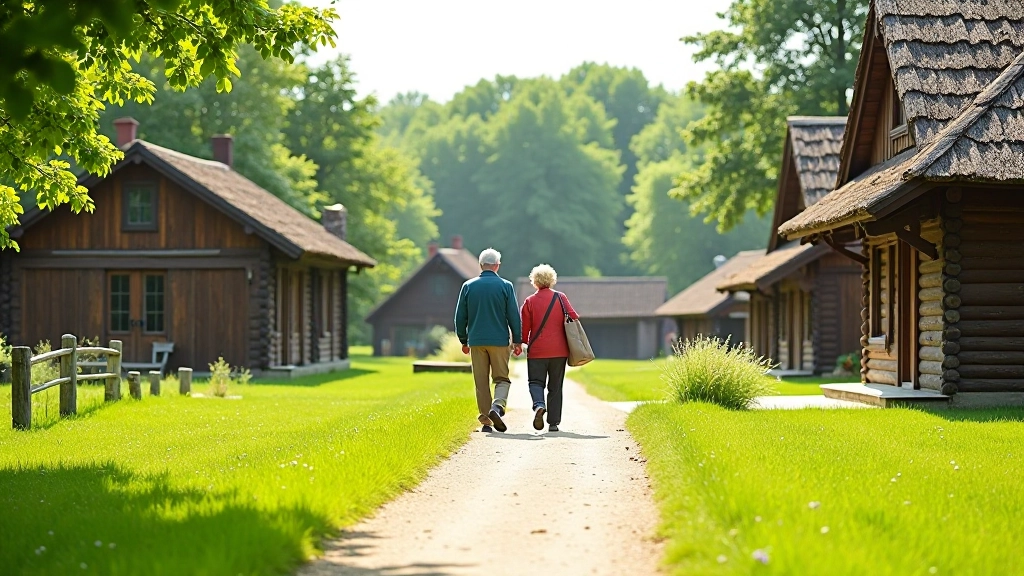
The farmstead quarter covers roughly 3-4 hectares with clear paths connecting the buildings. Most visitors spend 60-90 minutes here, though you can move faster or slower depending on your interest. The paths are well-maintained but include some gravel and natural surfaces. There are several benches scattered throughout if you need rest breaks.
Timing and Seasons
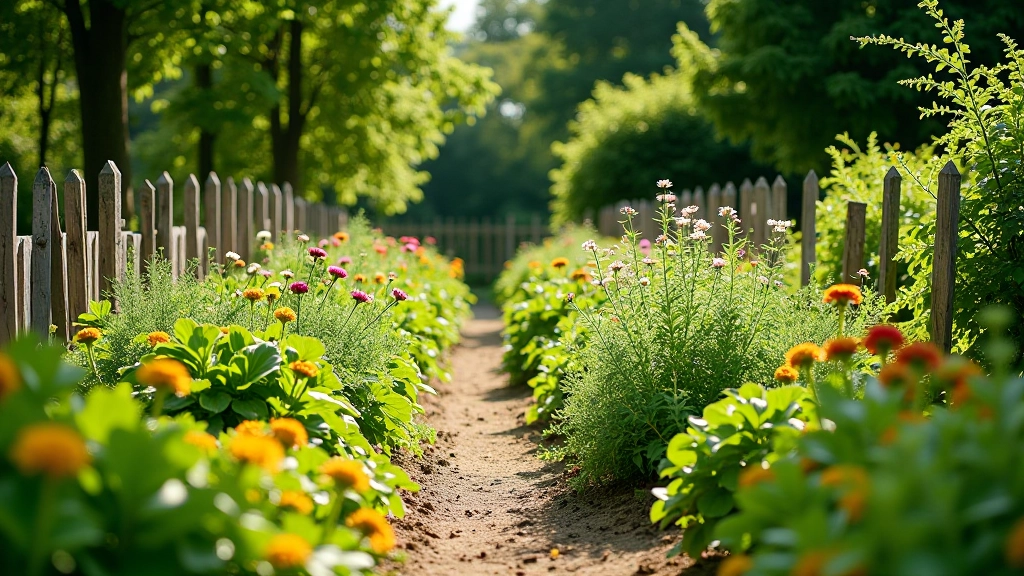
Spring and early summer offer the most pleasant experience — flowers bloom around the farmsteads, and the grounds feel alive. Late summer can get quite warm, so early morning visits work best if you're visiting July or August. Autumn is quieter with beautiful colors in the trees surrounding the buildings. Winter brings snow, which transforms the quarter into a scene from old photographs, though paths need careful footing.
Don't rush through. The real value comes from pausing — sitting on a bench, observing the architectural details, imagining daily life. Bring water if it's warm. Wear comfortable walking shoes suitable for gravel and uneven ground. Most importantly, come without a strict schedule. These buildings deserve time to settle in.
Practical Tips for Your Visit
Get a Map
Pick up a map at the entrance. The farmstead quarter connects to other museum areas, and having a guide helps you orient yourself and plan your route.
Photography Tips
Early morning and late afternoon light works best for photographs. The angle of sunlight really brings out the texture of the timber and details you'd miss in harsh midday light.
Wear Good Shoes
Paths are mostly gravel and natural ground. Comfortable walking shoes with decent grip are important, especially if you're visiting after rain.
Bring Sun Protection
There's limited shade in the open areas between buildings. Hat, sunscreen, and water make a real difference, especially for longer visits.
Understanding the Context
These aren't reconstructions or artistic interpretations — they're actual farmhouses moved from their original locations across Lithuania. The museum preserves authentic buildings rather than building replicas. Some farmsteads came from the Rumšiškės region itself, while others traveled from different parts of the country to represent the variety of rural architecture and lifestyles.
The buildings show how families adapted to their local geography and climate. A farmhouse from the lowlands looks different from one built in hilly terrain. Materials varied based on what was available locally — timber was abundant in forested areas, while other regions show different building techniques. Walking through the quarter, you're essentially touring different regions of Lithuania without leaving the museum.
"What strikes you isn't just the buildings themselves, but understanding how much work it took to survive. Every tool had a purpose. Every space was used efficiently. There's no waste, no decoration for its own sake."
— Museum visitor experience
The Experience Matters More Than Facts
You don't need to memorize dates or architectural styles to get value from the farmstead quarter. The real experience comes from stepping into these spaces and feeling how different life was. Notice the size of the windows. Feel how the space smells — wood, age, history. Imagine preparing a meal with the equipment you see. Consider where you'd sleep in these rooms during a harsh winter.
This is educational without being a lecture. It's authentic without being academic. You're walking through real buildings where real people lived, worked, raised children, and built communities. That's the heart of why the farmstead quarter matters — not as a museum exhibit, but as a tangible connection to how your own family's history might have looked, just a few generations back.
Key Takeaways
- The farmstead quarter preserves authentic buildings showing rural life from 150+ years ago
- Plan 60-90 minutes for a comfortable visit with time to explore each building
- Paths are gravel and natural surfaces — wear appropriate footwear
- The experience is about understanding daily life, not memorizing details
- Different seasons offer different atmospheres and photographic opportunities
- This section connects to other museum areas — you can extend your visit as desired